Gold’s October Rebound: Is Central Bank Demand Enough to Support Prices Through Q4?
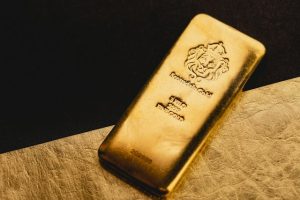 Gold prices rebounded on October 15, 2026, after falling sharply following stronger-than-expected US inflation figures. Reuters reported that spot gold rose approximately 1% to $4,146.74 per ounce, recovering from a one-week low as the US dollar weakened and investors reconsidered the Federal Reserve’s interest-rate outlook.
The recovery followed a difficult trading session when September inflation data pushed bond yields and the dollar higher. With markets uncertain about further interest-rate increases, investors face an important question: Can sustained central bank buying support gold through the final quarter of 2026?
Why Central Bank Buying Still Matters
Central banks remain important participants in the global gold market. Their purchases generally reflect long-term reserve management rather than attempts to profit from short-term price movements.
The World Gold Council reported that central banks purchased approximately 289 tonnes of gold during the second quarter of 2026. This represented a substantial recovery from the previous quarter, with Poland and China among the major buyers.
Gold offers reserve managers an asset that does not depend on another institution’s promise to repay. It also provides diversification during periods of geopolitical uncertainty and financial instability.
Continued institutional purchases can strengthen underlying demand. However, central banks occasionally sell holdings to meet liquidity requirements or manage foreign-exchange reserves.
Can Safe-Haven Demand Offset Higher Interest Rates?
Gold traditionally attracts investors during economic uncertainty. Concerns about inflation, geopolitical tensions and financial-market instability can encourage demand for assets perceived as stores of value.
However, higher interest rates present a competing influence.
Unlike government bonds, gold generates no regular interest income. When Treasury yields rise, investors may prefer income-producing securities.
A stronger US dollar can also discourage international purchases because dollar-priced gold becomes more expensive for buyers using other currencies.
The October price movements illustrate these competing pressures. Reuters linked the October 15 recovery partly to dollar weakness, highlighting how quickly changing monetary expectations can influence precious metals.
Long-Term Diversification Versus Short-Term Volatility
Gold’s longer-term appeal differs from its usefulness as a short-term investment.
For diversified portfolios, modest gold exposure may provide protection when other asset classes experience stress. Its performance does not always follow the same direction as equities or bonds.
Yet purchasing during a volatile rebound carries risks. Prices can reverse when inflation surprises, monetary policy expectations change or investors take profits.
The World Gold Council expects investment demand to remain an important market driver through 2026, although exchange-traded fund flows may remain sensitive to real yields and dollar movements.
Investors should therefore evaluate allocation targets, liquidity needs and investment horizons instead of relying on central bank purchases alone.
What Should Investors Watch Through December?
Several developments could determine whether October’s recovery continues:
- US inflation and producer-price reports.
- Federal Reserve decisions and interest-rate guidance.
- Treasury yields and US dollar movements.
- Central bank purchases and institutional gold fund flows.
Ultimately, official-sector buying provides meaningful support, but cannot guarantee rising prices. The balance between sustained investment demand and restrictive monetary conditions will help determine gold’s direction entering 2027.