Why Gold and Property Are Often Compared
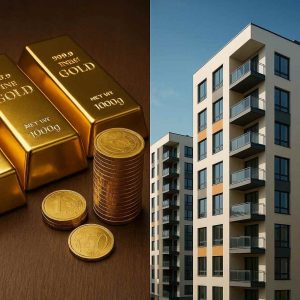 Gold has long been viewed as a safe asset during economic uncertainty because it is tangible, limited, and widely recognized across markets, and residences share similar traits since they also represent physical value that people can see and own rather than just numbers on a digital screen. Both gold and Lentor Gardens price respond to supply and demand, yet they behave differently in terms of use and liquidity because gold can be sold quickly in global markets while residences take more time to transact but often grow steadily in value over long periods.
Unlike gold, a residence offers daily function because it provides shelter, comfort, and lifestyle stability, which means property delivers both financial and practical value at the same time. Investors often compare these two assets because each provides security in uncertain times, but understanding their differences helps buyers evaluate residences price more clearly and realistically.
What Influences Residences Price Over Time
Residences price depends heavily on location because areas with strong infrastructure, reliable transport, schools, and business access attract steady demand that supports long-term price growth. Economic conditions also play a major role since strong employment levels increase purchasing power and drive housing demand upward, while higher interest rates can reduce affordability and slow price growth. Supply constraints affect pricing as well because limited land in desirable areas restricts new developments, and scarcity tends to support higher property values over time. Property condition, building quality, and community design also influence pricing since buyers are willing to pay more for durable materials, efficient layouts, and well-maintained surroundings that reduce future repair costs.
Inflation contributes to rising residences price because the cost of building materials such as cement, steel, glass, wiring, and finishing supplies increases over time, and when these materials become more expensive, developers must adjust selling prices to maintain project viability. Labor costs also rise during inflation because workers need higher wages to keep up with the cost of living, and this further increases overall construction expenses.
As a result, the replacement value of a property goes up, meaning that building the same residence in the future would require more capital than it does today, which gradually pushes market prices higher even for existing units. Inflation also affects land value since growing cities and limited supply create additional pressure on pricing, and this combination strengthens long-term appreciation in many areas. However, buyers must also account for ongoing maintenance expenses such as repairs, association dues, property taxes, insurance, and utility costs, because unlike gold investing, property ownership requires continuous financial commitment to preserve value and functionality. Over time, these recurring costs can influence net returns, so while inflation may support price growth, careful budgeting is necessary to ensure that ownership remains financially sustainable.
Choosing Between Gold and Residential Investment
Gold investing is often simpler because it requires minimal management and can be liquidated quickly, yet it does not generate income or provide daily function, while residences can offer rental income, appreciation, and practical use at the same time. Property also allows leverage through financing, which enables investors to control higher-value assets with structured payments, whereas gold usually requires full capital upfront without borrowing advantages. Residences price growth is often linked to urban development and infrastructure expansion, meaning property can benefit directly from long-term city planning and economic progress, while gold typically reacts more quickly to global events and market uncertainty. Many investors choose diversification because holding both gold and property spreads risk between liquidity and stability, and this balanced approach helps protect wealth during different economic cycles.
Both gold and residences represent tangible assets that offer security in uncertain environments, but property adds lifestyle value and income potential that extend beyond simple price appreciation, making residences price an important factor in long-term financial planning.