Gold Jewelry vs. Gold Bullion: Why the Form of Gold Matters to Investors
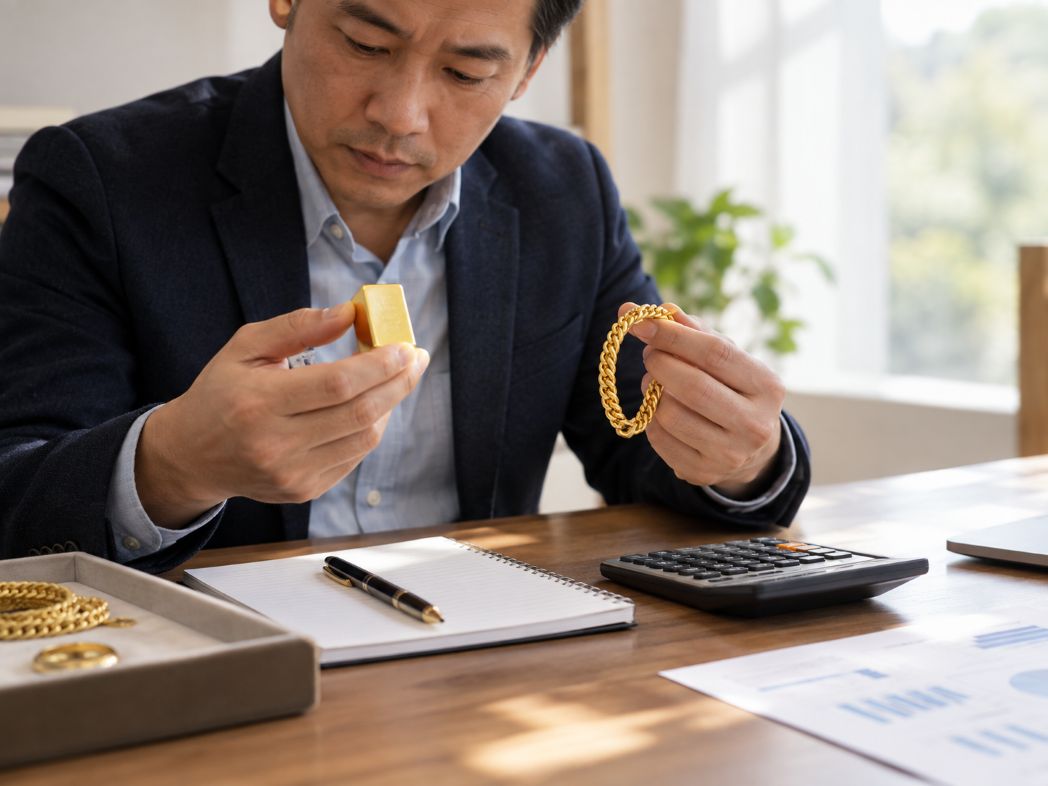
Gold products can contain the same precious metal while having very different financial characteristics. Investment-grade bullion is primarily valued for its measurable gold content, while jewelry prices can reflect design, craftsmanship, gemstones, branding, and retail costs. The World Gold Council explains that investment bars and coins are generally bought at a premium over the spot price of gold, with their value closely connected to their metal content.
Decorative pieces need a different kind of evaluation. A shopper looking at Aqua Gold’s iced collection, for example, should check the stated metal composition rather than assume that a gold-colored appearance indicates a particular amount of gold. The Federal Trade Commission advises consumers to pay attention to descriptions such as solid gold, gold plated, gold filled, and gold overlay because these terms describe materially different products.
Why Does Purity Matter More With Bullion?
Bullion is designed around measurable precious-metal content. The London Bullion Market Association requires its London Good Delivery gold bars to have a minimum fineness of 995 parts per thousand. It also sets standards for weight, markings, and refiner identification. These specifications help create a standardized product that professional gold markets can recognize and trade.
Smaller investment products also tend to have high purity. The World Gold Council notes that investment bars commonly range from 99.5% to 99.99% gold. Bullion coins can vary, with common investment products ranging from about 91.67%, or 22 karat, to 99.99%, or 24 karat.
Jewelry works differently. Pure gold is relatively soft, so it is often mixed with metals such as copper, silver, and zinc to improve durability. The Gemological Institute of America explains that 18K gold is 75% gold, while 14K gold contains about 58.3% gold. The remaining portion consists of alloying metals that can influence strength and color.
One Gold Price, Very Different Purchase Prices
The market price of gold provides a useful reference point, but it does not determine the full retail price of every gold product. Bullion dealers normally charge a premium above the underlying gold value. That premium can cover refining, minting, distribution, dealer costs, and other expenses. Buyers may also face storage and insurance costs, according to the World Gold Council.
Jewelry can contain additional layers of cost. Manufacturing requires design work, casting, polishing, setting, finishing, packaging, and retail distribution. Gemstones or other decorative materials may also contribute to the price. As a result, two pieces containing the same weight of pure gold can have very different retail prices.
This distinction becomes important when calculating financial exposure to gold. An investor paying mainly for metal receives more direct exposure to changes in the gold price. Someone paying a large premium for craftsmanship or decorative features is purchasing a product whose price reflects more than its precious-metal content.
What Changes When the Jewelry Is Gold Plated?
Gold-colored jewelry does not necessarily contain gold throughout the piece. The Federal Trade Commission explains that gold-plated products have a layer of gold applied over another metal. That outer layer can gradually wear away depending on its thickness and how the jewelry is used.
Gold-filled and rolled-gold products are different again. They use mechanically applied layers of gold alloy over a base metal and should be described using appropriate markings. Vermeil has its own definition and generally refers to gold applied over sterling silver. These distinctions matter because the total recoverable gold may represent only part of an item’s weight.
Liquidity Can Change the Investment Equation
Standardization can make bullion easier to assess financially. A buyer can examine weight, fineness, refiner information, and prevailing gold prices before making an offer. Investors may also use gold supply chain directories to better understand the businesses and networks involved in moving precious metals through the market. Recognized bullion products therefore provide relatively clear information about the amount of gold being bought or sold.
Jewelry resale involves more variables. A second-hand buyer may consider metal purity and weight, but the original retail markup may have little relevance. Condition, gemstones, brand recognition, style, and local demand can also affect what another buyer is prepared to pay.
This does not mean jewelry lacks value. Solid-gold jewelry still contains precious metal, and some pieces may retain considerable value. The important point is that retail price and melt value are different concepts. Investors interested mainly in gold exposure should understand how much of their purchase price is actually attributable to gold.
What Should Buyers Verify Before Comparing the Two?
A useful comparison starts with basic product information:
- Check the item’s stated weight and gold purity.
- Determine whether it is solid gold, an alloy, plated, filled, or another material.
- Separate estimated metal value from design, gemstone, and retail costs.
- Consider the spread between purchase and resale prices.
- Check how easily the product can be authenticated and resold.
Hallmarks can provide useful information, although professional testing may sometimes be needed. The Gemological Institute of America describes methods ranging from traditional touchstone testing to X-ray fluorescence and fire assay for determining gold content.
Gold Can Serve Two Very Different Purposes
Bullion and jewelry can both contain genuine gold, but they are built for different purposes. Bullion emphasizes standardized purity, measurable weight, and exposure to precious-metal prices. Jewelry combines metal with design, craftsmanship, wearability, and personal meaning.
Neither form should be evaluated solely by its color or its original price tag. Buyers interested in investment performance need to understand purity, weight, premiums, liquidity, and resale conditions. Buyers choosing jewelry may reasonably place more importance on appearance and personal enjoyment. Knowing which value matters most makes it easier to understand what is actually being purchased.